How Our Genre Taxonomy Powers Game Design and Discovery
In the ever-expanding world of gaming, understanding and navigating the vast array of game genres is essential for both developers and players. Genre taxonomy—essentially, the classification system that groups games based on similar mechanics, themes, and experiences—plays a pivotal role in how games are designed, marketed, and discovered. Platforms like Slot Gacor, which offer a variety of gaming experiences, depend heavily on this taxonomy to help users find the games that align with their preferences. In this article, we’ll explore how genre taxonomy influences game design, guides the development of new experiences, and empowers players to discover games that best suit their tastes.
The Importance of Genre Taxonomy in Game Design
The creation of a game begins long before the development team starts coding or designing assets. It starts with understanding what kind of experience the game is meant to offer and what genre it will fall under. This is where genre taxonomy plays a crucial role. By defining a game’s genre, designers can establish expectations for gameplay, narrative style, and player interactions. This not only helps shape the development process but also ensures that the game aligns with the audience’s expectations.
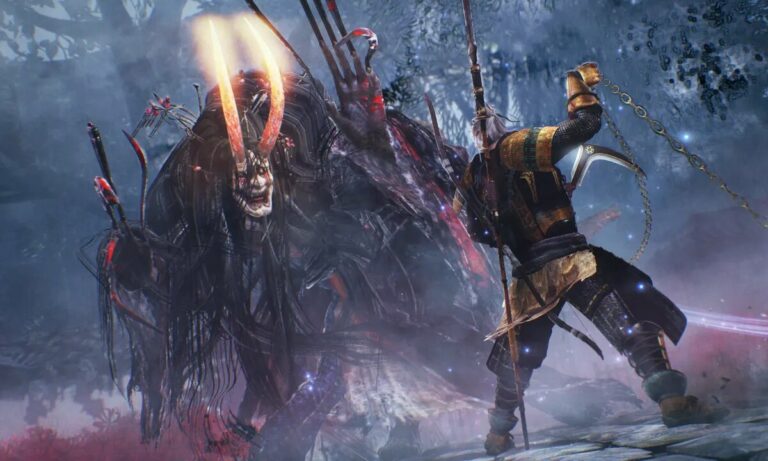
For example, a game designed as a souls-like will inherently focus on difficult combat, a dark atmosphere, and a methodical progression system. Developers will make design choices—such as combat mechanics, world-building, and pacing—tailored to these expectations. If a game is classified as an open-world RPG, the developers will likely incorporate exploration, questing, and a vast, interconnected world for the player to explore. By aligning with a specific genre, game designers have a clearer framework within which to make decisions, ensuring consistency and cohesion throughout the game.
Moreover, genre taxonomy helps developers prioritize which features to focus on and how to innovate within an established framework. For example, while platformers generally focus on precise jumping mechanics and overcoming obstacles, a roguelike might place more emphasis on procedural generation, permadeath, and item acquisition. By clearly identifying the genre, developers can make informed choices about where to innovate while maintaining the core qualities that players expect from that genre.
The Role of Genre Taxonomy in Game Discovery
While genre taxonomy is essential for guiding game design, it’s just as important when it comes to discovering games. With the sheer number of titles released each year across various platforms, it can be overwhelming for players to sift through the options to find a game that suits their preferences. This is where genre classification becomes a powerful tool for discovery. Players can use genre filters on platforms like Slot Gacor and others to quickly identify games that align with their interests, whether they’re looking for something action-packed, narrative-driven, or strategy-oriented.
For example, if a player is in the mood for a story-heavy experience, they can filter for visual novels or adventure games. If they want something fast-paced with an emphasis on competition, they might opt for first-person shooters or fighting games. By narrowing down the search to a specific genre, players can save time and energy, ultimately improving their overall experience in discovering games that are likely to resonate with them.
Genre taxonomy also plays a role in highlighting hidden gems or niche genres that players may not have discovered otherwise. For instance, a player who regularly enjoys action RPGs might stumble upon a Metroidvania game, a genre they hadn’t previously explored. The genre taxonomy guides their discovery process, introducing them to experiences they might not have otherwise sought out. This is especially valuable in an era where indie games, with their creative gameplay and often smaller budgets, can get lost in the noise of major AAA releases. By categorizing these indie gems within specific genres, they can reach a broader audience that appreciates their unique offerings.
Empowering Developers and Players Through Genre Innovation
While genre taxonomy has traditionally helped categorize games into familiar categories, it has also allowed for experimentation and genre-blending. The boundaries between genres are becoming more fluid, and many games combine elements from multiple genres to create innovative new experiences. The rise of genre hybrids has been one of the most exciting trends in recent years, where games like Dark Souls (action RPG and dungeon crawler) or Dead Cells (roguelike and Metroidvania) challenge the traditional genre taxonomies.
For developers, this genre-blending presents an opportunity to create something fresh. By mixing elements from different genres, they can craft innovative gameplay systems that appeal to a variety of player preferences. For example, a game that combines the strategic combat of a turn-based RPG with the exploration and progression mechanics of a roguelike can offer an entirely new experience that pushes players to think and play in new ways. This innovation is often what sets games apart from one another and draws attention in a crowded market.
On the flip side, players benefit from these hybrid games as well. If you’re a fan of both strategy games and role-playing games, the introduction of a hybrid game that combines both genres can offer a refreshing take on familiar mechanics. Genre innovation allows players to experience new challenges and gameplay mechanics without venturing too far from what they enjoy.
The Psychological Impact of Genre Classification
From a psychological perspective, genre taxonomy helps manage player expectations. When players choose a game based on its genre, they are implicitly entering into a contract with the developer: they expect a certain type of experience. The developer, in turn, is promising to deliver that experience through careful design choices that align with the genre’s conventions.
For example, a survival horror game will emphasize atmosphere, tension, and limited resources to create fear, while a puzzle game will focus on mental challenges and logical thinking. When players engage with a game of a particular genre, they do so with the expectation that the game will fulfill these psychological needs. This consistency in design creates a sense of comfort for players, as they know what to expect from the outset, allowing them to engage with the game in a deeper way.
However, this genre-based expectation is also an opportunity for developers to subvert player assumptions. By playing with the conventions of a genre, developers can surprise and engage players in ways they didn’t anticipate. For example, a platformer that incorporates elements of survival horror might present a world where platforming sections are interrupted by terrifying encounters with monsters. This blending of genres challenges players’ expectations and creates a dynamic, ever-evolving gameplay experience.
Conclusion
Genre taxonomy plays a vital role in the game design process, offering structure and direction to developers while providing a valuable tool for players in discovering new games. Platforms like Slot Gacor rely on this system to help players navigate through the ever-growing number of gaming experiences available today. By clearly categorizing games, genre taxonomy ensures that players can find titles that suit their tastes, whether they seek action, strategy, narrative, or something else entirely.
Moreover, the rise of genre hybrids and innovative designs is breathing new life into the industry, allowing for creative gameplay that pushes the boundaries of what players expect from a particular genre. As gaming continues to evolve, the relationship between genre taxonomy and game design will remain crucial in shaping both the creation of new experiences and the discovery of those experiences by players worldwide.
 Site Title